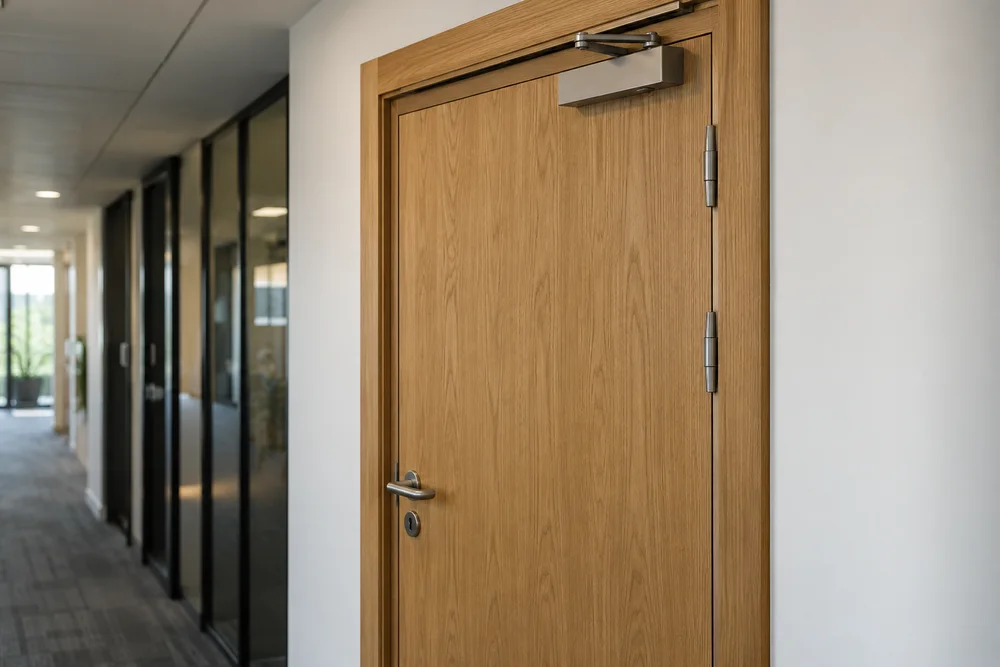
A Door Is Part Of A Protective System
A fire door inspection examines a door in its location and intended role. The leaf, frame, glazing, seals and ironmongery need to work together. A door that looks substantial may still need further evidence before its performance can be understood.
Commercial fire doors can protect a stair, divide a corridor or separate a higher-risk room from an escape route. Their significance depends on the building's fire arrangements. Start with an agreed door inventory so that the inspection covers the correct locations and the report can be used by the people organising repairs.
The inspection is useful for facilities managers, commercial landlords and managing agents responding to an assessment finding or maintaining existing doors. Explain whether there is a current door schedule, previous inspection record or fire strategy. Those documents help avoid assumptions about what each door is intended to achieve.
Maintenance Duties And Inspection Scope
The Regulatory Reform (Fire Safety) Order 2005 requires relevant protective measures to be maintained in effective working order. The government offices and shops guidance includes fire-resisting doors within those measures. A door inspection supports that duty but does not replace the fire risk assessment of the premises.
Inspection scope should be agreed before work begins. A visual and operational inspection is different from opening up concealed construction or verifying an entire doorset against a tested specification. The report should state what was examined and what could not be established.
Commercial premises should use an inspection and maintenance regime based on their risks and use. Do not assume that a rule aimed at a different building category defines the correct schedule for your office or warehouse. Damage, frequent use and changes to the building can all justify further checks.
What Is Checked At The Door
The inspector looks for evidence of damage, poor fit, unauthorised alterations and missing components. Closing performance, latching where relevant and the condition of smoke seals are considered. Hardware should be assessed in the context of the door's intended operation rather than as isolated pieces of metalwork.
Gaps, glazing and frame condition can indicate areas that need repair or further investigation. Existing labels and documentation may help establish the doorset's provenance. The absence of a visible label should be reported accurately, without pretending that a visual visit alone proves either compliance or failure.
Hold-open devices and access control can affect how the door operates during an emergency. Doors should not be wedged open as an informal solution to circulation problems. If day-to-day operation is inconvenient, the remedy needs to respect the door's protective purpose and the building's warning arrangements.
A Usable Inspection Record
Before the visit, provide the approximate number of doors, occupied levels and any known access restrictions. Identify rooms that require keys or an escort. A location reference or marked plan makes it easier to trace a finding back to the correct door later.
During the inspection, each included door should be examined and its limitations recorded. Photographs and a consistent identification system can help explain defects to a repair contractor. The report should distinguish observed condition from conclusions that depend on missing certification or concealed details.
Afterwards, arrange competent repairs and retain the associated evidence. Recheck the operation of a repaired door and update the record to reflect the work actually completed. Where replacement is proposed, ask for a suitable doorset specification rather than assuming that changing only the leaf resolves every issue.
Quoting And Planning Remedial Work
The inspection cost depends on the number and type of doors, spread of locations and time needed to obtain access. A defined schedule allows quotes to be compared more fairly. State whether the work concerns an entire building or selected doors identified by an earlier assessment.
Inspection and remedial work are separate scopes unless the quotation explicitly combines them. Intrusive investigation, replacement design and specialist performance advice may also need their own appointments. Ask how uncertain findings will be described so that the report supports sensible decisions instead of automatic replacement.
Keep the door schedule alongside your wider fire safety records. Staff checks can identify obvious damage and obstruction between formal inspections, while a competent specialist deals with technical questions. If several defects affect a protected escape route, consider their combined effect through the current fire risk assessment rather than treating each repair in isolation.
Service Questions
What Is Included In A Fire Door Inspection?
A fire door inspection starts with an agreed premises boundary and a clear reason for the appointment. The work and reporting detail depend on that scope, available records and access. Ask for limitations and exclusions in writing, and confirm whether any specialist investigation or follow-up visit needs a separate appointment.
How Do I Arrange This Service In Newcastle?
To arrange fire door inspection work in Newcastle, send the premises postcode, building use and a short description of your concern. Include approximate size, occupied levels and any access restrictions. Existing reports can help with scoping, while the appointment, availability and quotation should be agreed before work begins.